on Lorenzo Merlino
Dates: November 12, 19 and 26, and December 03, 10 and 17, 2026
Thursdays
Hour: 19h to 21h
Duration: 6 meetings
Audience: general interested parties
Investment: R$ 480,00 + fees
Online course
Live, via video conferencing platform
Recorded classes available for a limited time only
Includes certificate at the end
For Libras interpreter, request by email cursos@mam.org.br with 7 business days' notice.
This course proposes a critical journey through the history of Western art from a queer perspective, highlighting the presence of dissident bodies, LGBTQIA+ identities, and images of homoerotic desire that have historically been veiled, censored, or erased. To this end, the sessions are structured based on a revisionist approach, articulated with contemporary studies of gender and sexuality.
These meetings aim to understand how other understandings of sexuality and gender have been conceived over time, with the visual arts as a fundamental field for self-representation and symbolic and political contestation. The course is open to all people interested in investigating the intersections between art and diversity.
Agenda
Lesson 1 – Classical Antiquity
An introduction to the concepts of queer, body, and desire, and to the urgency of a revisionist look at canonical art. An analysis of the visual manifestations of Sapphic affection and Greek paiderasteia not only as practices but as social mechanisms, drawing parallels between paiderasteia, Roman amor puerorum (mos Graecorum, centered on the figure of the puer delicatus), and the constructions, identities, and dilemmas of modern and contemporary homosexuality.
References: Plato, Dominique Fernandez, Kenneth Dover
Lesson 2 – Middle Ages: Judaism, Islam, Christianity
Based on recent theological formulations and historiographies, this meeting examines the transition to the Middle Ages and the establishment of a new dogmatic morality regarding the body. It discusses the invention of sodomy as a category of prohibition in Christianity, in contrast to perspectives on sexual diversity in medieval Judaism and Islam. Drawing on important historians, it analyzes the ambiguities of medieval iconography and the rites of union between people of the same sex in pre-Inquisition periods.
References: Theodore W. Jennings, Jr., John Boswell, Allan Tulchin, Rictor Norton
Lesson 3 – Renaissance, Baroque and Rococo
Starting from the resumption of ideal bodies, the meeting analyzes how the homoerotic canon manifested itself in a veiled way during the Renaissance and Baroque periods, before the European courts and the Church. In the Rococo period, it addresses gender performativity and the transgressions of the aristocracy: lesbian desire, prevalent in visuality and courtly literature, and transvestism as a precursor to gender performances and queer identities.
References: Da Vinci, Michelangelo, Caravaggio, abbot of Choisy, the chevalier d'Éon
Class 4 - Neoclassicism
How did the Neoclassical period construct the young male body as an ideal of beauty, virtue, and perfection? Throughout the meeting, we will discuss homoerotic tensions and desires that transpired in historical sculpture and painting between the late 18th and early 19th centuries, laying the foundations for a visuality that would profoundly influence Western gay aesthetics.
References: Johann Joachim Winckelmann, Anton Raphael Mengs, Jacques-Louis David, Antonio Canova, Bertel Thorvaldsen, Anne-Louis Girodet de Roussy-Trioson
Lesson 5 – 19th Century
This meeting analyzes the unfolding of Realism and modernity through the poetic and visual subversions of bourgeois morality. It pays special attention to the heterosexual male gaze on desire between women, discussing how voyeurism and the eroticization of these relationships became recurring themes during this period. It also examines the affective tensions, bohemian life, and homoerotic relationships that marked the trajectory of important 19th-century creators, situating them within their social and cultural context.
References: Gustave Courbet, Charles Baudelaire, Auguste Rodin, Paul Verlaine, Arthur Rimbaud, Gustave Caillebotte.
Class 6 - 20th and 21th centuries
The influence of medical-psychiatric categories of sexuality on the early activist movements of the turn of the century and the "Riefenstahl question": the relationships between aesthetics, politics, and fascism, and the homoerotic elements in the construction of the heroic figure. Contemporary gay art and queer art will also be discussed, examining artistic responses to the HIV/AIDS epidemic and visual practices of resistance, memory, and affirmation.
References: Karl Heinrich Ulrichs, Karl Maria Kertbeny, Richard von Krafft-Ebing, Magnus Hirschfeld, John Addington Symonds, and the artists Leni Riefenstahl, Claude Cahun, Romaine Brooks, Frida Kahlo, Alair Gomes, Robert Mapplethorpe, and others.
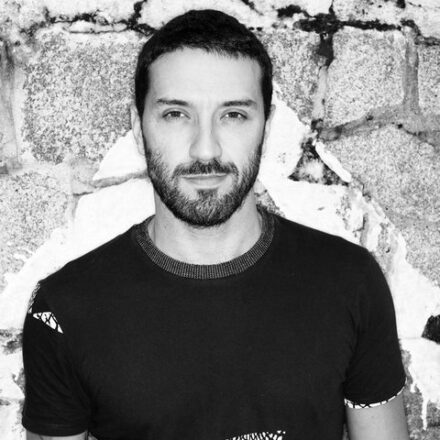
Lorenzo Merlino
MAM friend There's a 20% discount. Be part!
Students, teachers and retirees have a 10% discount
Doubts:
cursos@mam.org.br
WhatsApp: 11 99774 3987
By participating in this activity/event, you authorize, free of charge and permanently, the São Paulo Museum of Modern Art to use your image, voice, biographical data, and distinctive features, captured in video, audio, photography, and prints, for the purposes of recording, disseminating, and promoting the institution's activities, in any means, vehicles, supports, media, methods, and technologies, whether tangible or intangible. If you do not wish your image to be disclosed, please inform the Museum of Modern Art of São Paulo by email. cursos@mam.org.br.
credits
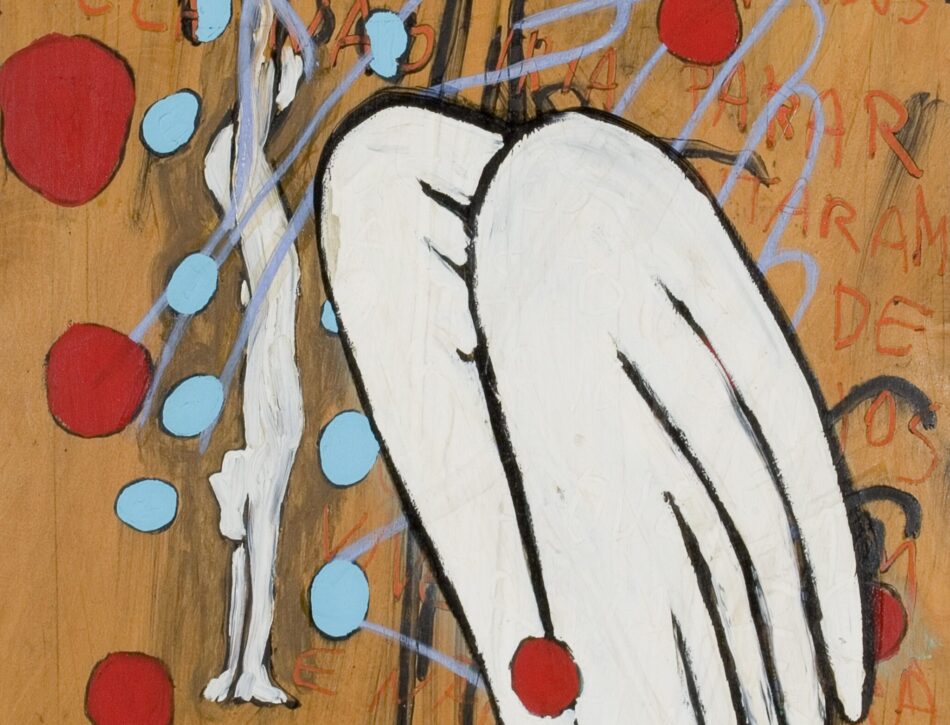
Image: José Leonilson, “Nobody Had Seen It” (1988). Photo: Ding Musa