on Katia Canton
Dates: July 30, August 06, 13 and 20, 2025
Wednesdays
Hour: 18h to 20h
Duration: 04 meetings
Audience: general interested parties
Investment: R $ 320,00
Online course
Live, via video conferencing platform
Recorded classes available for a limited time only
Course includes certificate at the end
This course, consisting of four classes, explores the power of stories as resources for subjective elaboration and healing, since the dawn of humanity. Throughout the meetings, we will address the historical origin of narratives, their insertion in the field of art and their role in the processes of psychic elaboration.
In the first two classes, we will outline a socio-historical overview of the emergence of narratives in human constitution, analyzing different types of stories, from oral tradition to literary authors such as Perrault, the Brothers Grimm and Andersen. The third class will be dedicated to analyzing cases in which narratives are used in therapeutic contexts. Finally, in the last class, we will reflect on the contemporary scenario: what are its particularities and why do we continue to tell stories?
Agenda
classroom 01 – We are storytelling animals — the emergence of words as a human need.
classroom 02 – Wonderful tales, fables, fairy tales — ways of narrating and their contexts.
classroom 03 – The desire to tell is the desire to heal — aesthetic and therapeutic experiences in the use of stories. Case studies on narratives in psychoanalysis and mental health.
classroom 04 – The biased narratives of the contemporary world — why do we continue to tell stories?
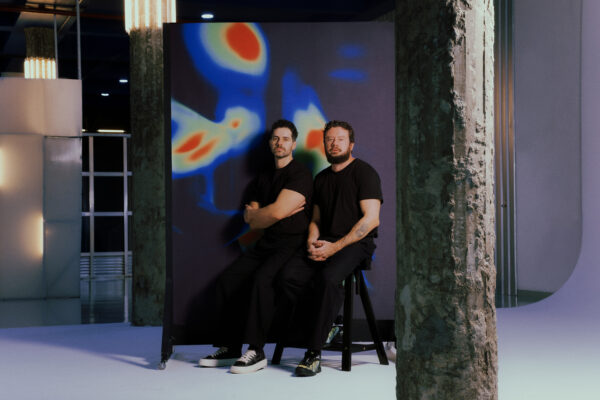
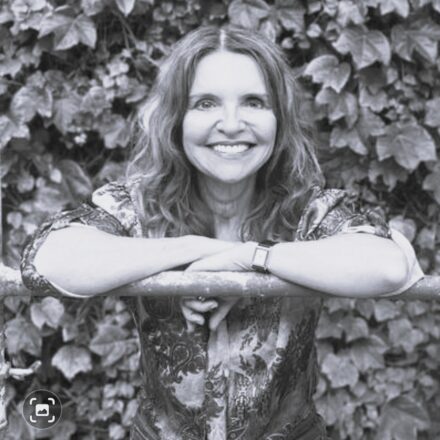
Katia Canton
MAM friend has 20% discount. Be part!
Students, teachers and retirees have a 10% discount
Doubts:
cursos@mam.org.br
WhatsApp: 11 99774 3987
By participating in this activity/event, you authorize, free of charge and definitively, MAM – Museu de Arte Moderna de São Paulo, to use your image, voice, biographical data and characteristic signs, captured in video, audio, photography and prints, for the purposes of recording, disseminating and promoting the Museum's activities, in any means, vehicles, supports, media, methods and technologies, tangible or intangible. If you do not want your image to be disclosed, please inform MAM (cursos@mam.org.br)
credits: Pedestrians in Patriarca Square, 1940. Hildegard Rosenthal. Source IMS